The sustainable scoop—UW–Madison students & faculty rethinking ice cream for energy efficiency
Photos by Lauren Graves
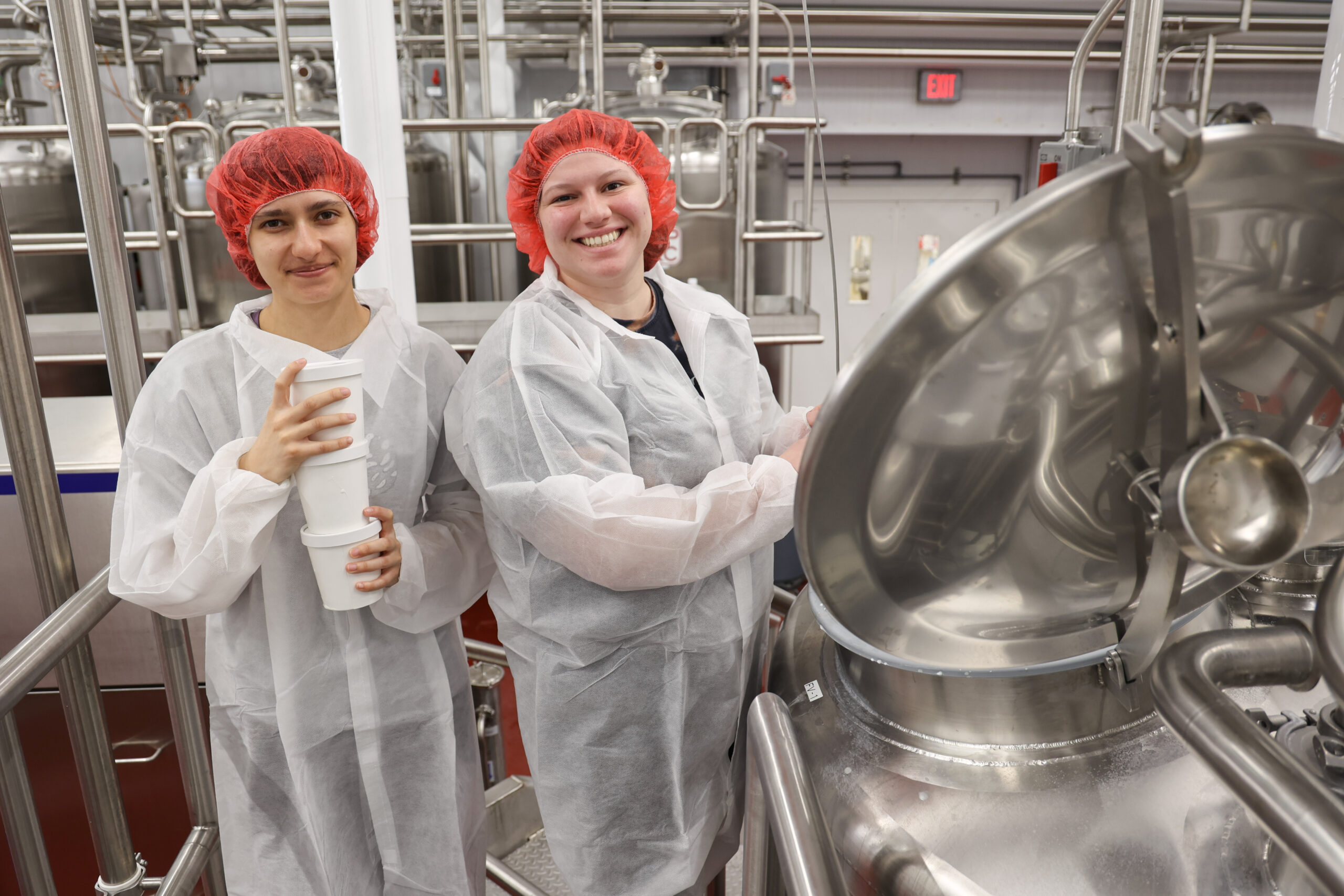
“I had never written a grant before,” said Loren Smith, a third-year food science major at the University of Wisconsin–Madison. But over the past year, she and a cross-disciplinary team of students, faculty, and staff did more than write a successful proposal to the UW–Madison Green Fund, a program that supports student involvement in campus sustainability projects. They’ve developed a new kind of ice cream—one that has less sugar, stores better, and most importantly, uses significantly less energy to stay frozen.
Here’s the scoop—the newly formulated ice cream has the potential for a net energy savings of about 26% in storage.
According to Jeremy Skoug, a recently graduated mechanical engineering student, if Babcock Dairy produced its usual 86,000 gallons of ice cream a year using this new energy-efficient formulation, it would save approximately 4,300 kilowatt-hours per year or around half the annual electricity usage of an average American home.
At first glance, it’s a classic Wisconsin project: ice cream, the dairy state’s most iconic treat. In 2024, Wisconsinites bought 74 million pints of ice cream and sherbet, according to the nonprofit Dairy Farmers of Wisconsin. That’s nearly 2.6 pounds of frozen dairy goodness per person. Sales here are 26% above the national average.
But behind the scenes, this research project is a story of innovation, sustainability, and student-driven research with far-reaching implications.
“It’s quintessentially Wisconsin—dairy, sustainability, and student research,” said Ian Aley, Green Fund program manager at the Office of Sustainability. “It’s bringing together all these different layers of the university.”
Reimagining a classic treat
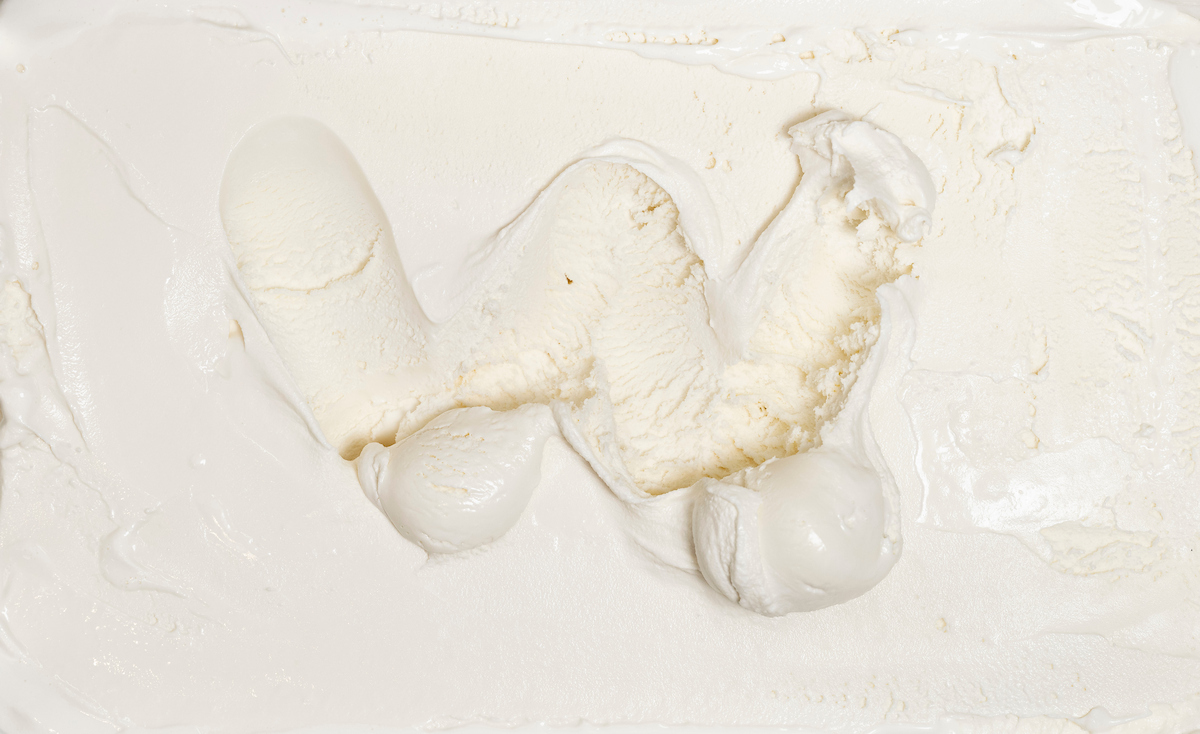
What’s your favorite flavor of ice cream? For Scott Rankin, a professor and chair at the University of Wisconsin’s Food Science Department, it’s a simple vanilla. “It sounds pretty boring, but vanilla is like milk: it’s complicated.”
In an era where Americans aim to reduce sugar intake—a recent Statistica survey found that 66% Americans were trying to cut back in 2024—Rankin, and his colleague, Rich Hartel, wanted to know what would happen when a little sugar is removed from ice cream.
They found that reducing sugar from 17% to 10% raises the freezing point. This seemingly small change means the product could be stored and transported at slightly higher temperatures, potentially reducing refrigeration energy use without compromising texture or taste.
That matters because refrigeration is one of the energy-intensive requirements of producing, storing and transporting ice cream. The benefits may also extend beyond energy use. According to a life cycle assessment, the new formulation could reduce overall environmental impacts by 9 to 33%.
“Ice cream is stored colder than nearly any other food product,” Rankin explained. “The industry standard is around -20°C, which is significantly lower than typical frozen foods. That extreme cold is necessary to preserve texture and prevent ice crystal growth—but it also makes ice cream incredibly energy-intensive to store.”
But, if the industry temperature standard could change just by removing a little sugar, the researchers theorize that the implications for energy and thus carbon emissions could trigger substantial reductions in energy use and the associated carbon emissions.
Rankin and Hartel aren’t the only ones hungry for a solution. In 2023, Unilever, the parent company of Ben & Jerry’s, Breyers, and Klondike ice cream, announced that it would grant a free non-exclusive license to the ice cream industry for 12 reformulation patents to warm up its ice cream freezer cabinets, the last mile in its emissions reductions goals.
However, the biggest dent will be made when the entire industry can shift.
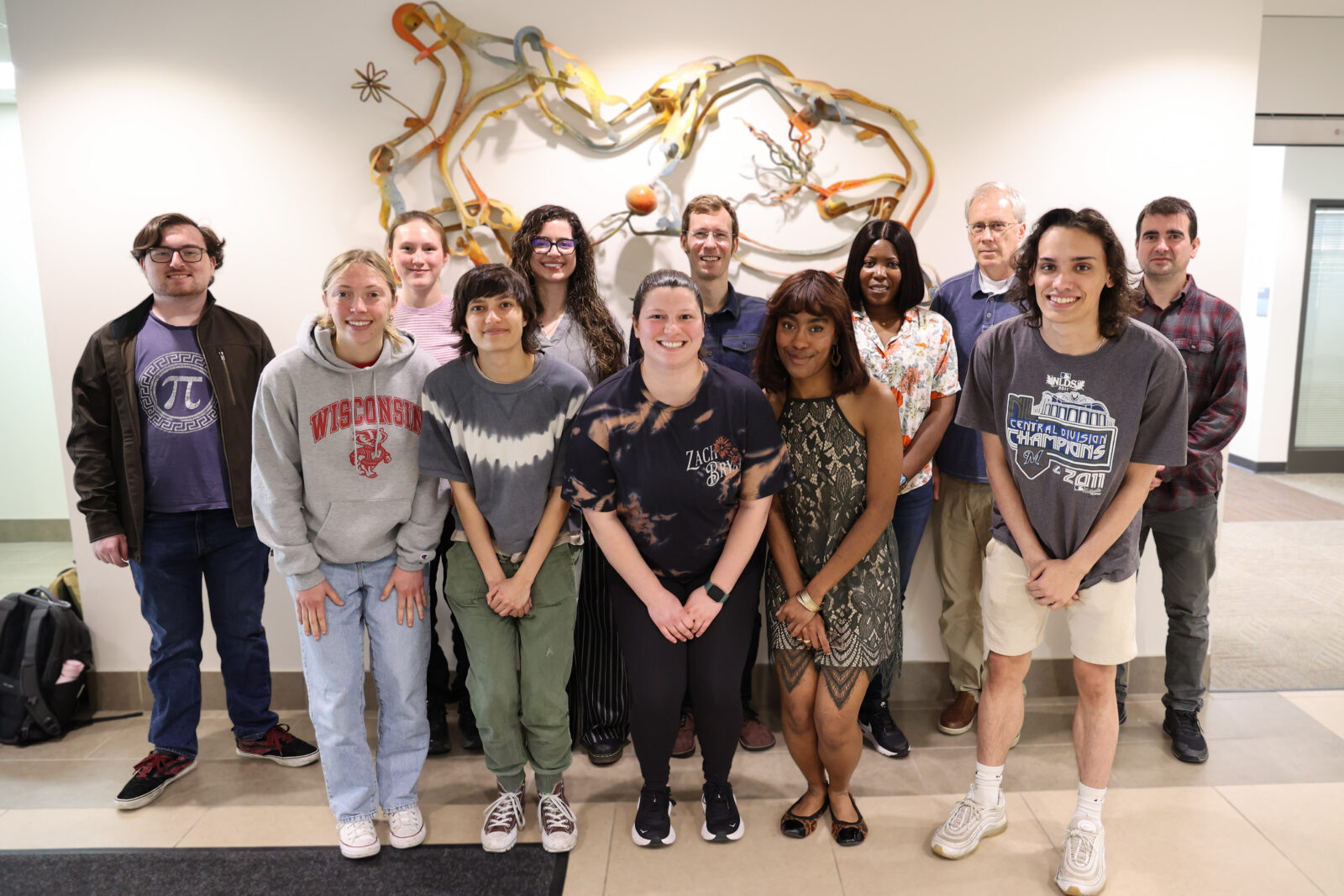
Supported by UW–Madison’s Green Fund and coordinated by the Frozen Dessert Center, the project is drawing a Neapolitan of students from food science, nutritional sciences, mechanical engineering, and environmental studies. What unites them was a shared goal: to create a product that’s not only delicious, but environmentally sustainable.
The science of a scoop
“Milk is incredibly complex,” Rankin said. “It’s not just food—it’s chemistry.” Milk is complicated for many reasons. Aside from having a litany of nutrients and proteins, it has what Rankin describes as, “every facet of chemistry.” Thus, interesting phenomena can occur when just one factor is tweaked.

In this case, the chemistry involved rebalancing the formulation of traditional ice cream. The team’s breakthrough came from replacing some of the sucrose (table sugar) with soluble corn fiber. The result: a higher freezing point, improved nutritional profile, and a surprising bonus—better mouthfeel.
By reducing the load on refrigeration systems, the product could lower energy consumption, support broader grid efficiency, and reduce carbon emissions from energy use.
In addition to the energy consumption reduction during production and storage, testing revealed that the higher freezing point helps prevent the growth of large ice crystals during temperature fluctuations, which extends shelf life and reduces food waste during distribution and storage.
According to Sydney Camp ‘26, a big fan of peanut butter and Butterfinger Blizzards from Dairy Queen, “When ice cream is in a freezer, the temperature fluctuates and can cause the ice crystal sizes to change and change texture.” So, the team is taking weekly samples of the ice cream, watching it melt, and looking at the air cell size and the ice crystal size to see at what point it starts to negatively affect the shelf life. No negative impact has been found.
From a nutritional standpoint, the formulation also delivered: a 76% reduction in carbohydrates, 41% lower glycemic impact, and potential benefits for gut health and even bone density. And importantly, the team did it without resorting to high-intensity artificial sweeteners, preserving a clean-label formulation that’s better for both people and the environment by having less processing, fewer additives.
As a cherry on top, “We also saw promising benefits related to insulin sensitivity and potential reductions in diabetes risk,” said Stavroula Antonopoulos, a professor in the Health Science department at UW–Madison whose favorite ice cream is the colorful Superman with rainbow sprinkles.
Her mentee, Gabby Ruback ‘27, added that they were surprised to learn that soluble corn fiber could help with calcium absorption, which may improve bone health. “Plus, it delays gastric emptying, which helps you feel full longer—so it has real functional benefits, not just reduced sugar,” said Ruback, whose favorite flavor of ice cream is Ben & Jerry’s Zanzibar Chocolate.
Antonopoulos and Ruback were both excited by the idea of researching ice cream as nutritionists. “I have very much of an all-foods fit approach,” said Antonopoulos, a registered dietitian. For her, being healthier doesn’t mean cutting out ice cream. In fact, this project caught both Antonopoulos and Ruback’s attention, not only for their research interests, but for their love of the dessert.
“Hearing about this project, I was surprised that this was an idea, because I never heard of it,” Ruback said. “I was like, why had no one ever thought of this before?”
From lab to freezer
Student involvement went far beyond learning from faculty, as the students are effectively leading the project.
Smith, whose favorite ice cream flavor is coffee, and Camp both led the grant-writing process, coordinated multidisciplinary meetings, and conducted shelf-life and sensory testing. Their leadership is what stood out to the Green Fund program manager when the project came across his desk.
“Student involvement is the core [of the Green Fund]. The students are the ones who write the application, lead the project, and carry it through,” said Aley, whose favorite ice cream flavor is “Cherry Styles,” from Ice Cream Social, a shop on University Avenue. In this case, leading the project has certainly put the icing on Smith’s third year at UW–Madison.
“Seeing how the ingredients perform on a larger production scale has been eye-opening,” said Smith. “We usually do small batches in class. This was the real deal.”
As part of their capstone project, engineering seniors Jeremy Skoug, Elliot Selinidis, and Riley Hess played a large role in energy monitoring, modeling, and data analysis for production efficiency.
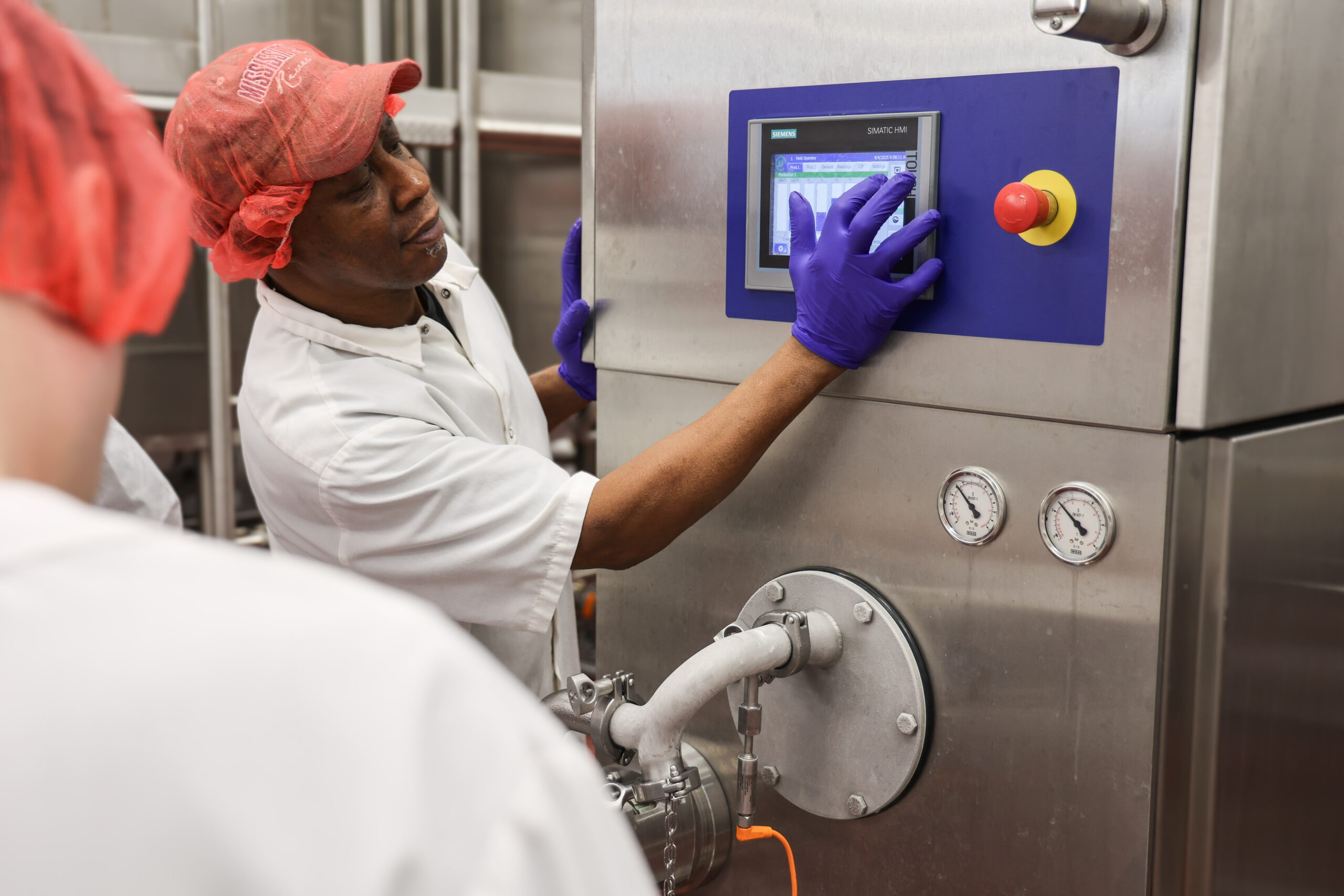
Elliot Selinidis, a mechanical engineer on the team, helped install energy-monitoring sensors on industrial freezing equipment, using real-time data to evaluate the new formulation’s energy performance.
“Inside the scrape surface heat exchanger, we used a water transducer to measure both mechanical and cooling energy consumption,” Selinidis explained. “We couldn’t isolate the hardening freezer data, but we were able to get accurate readings from the continuous freezer, which was key to validating our energy model.”
Each of the students’ contributions underscores why Dieyckson Freire, the Frozen Dessert Center director, called the project a “model of what student research should look like.” It’s collaborative, applied, and deeply meaningful.

A taste of the future
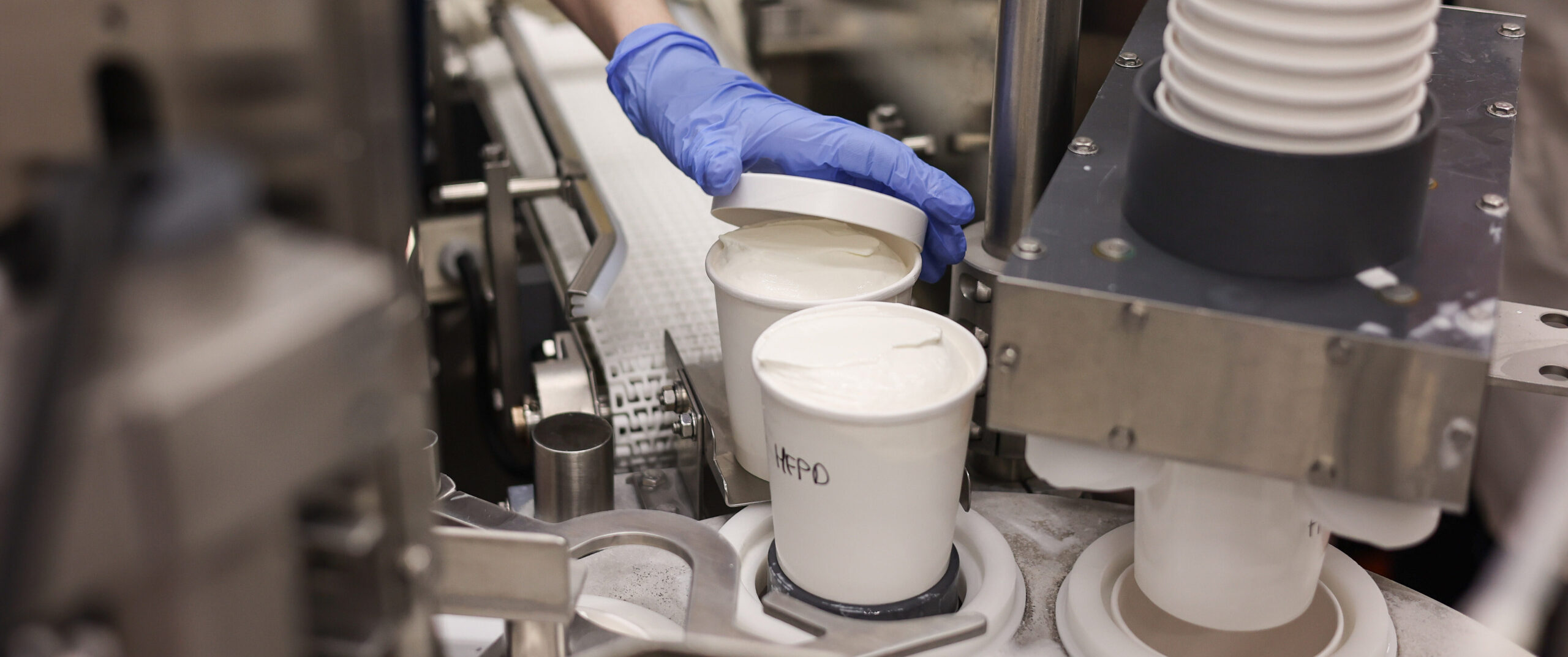
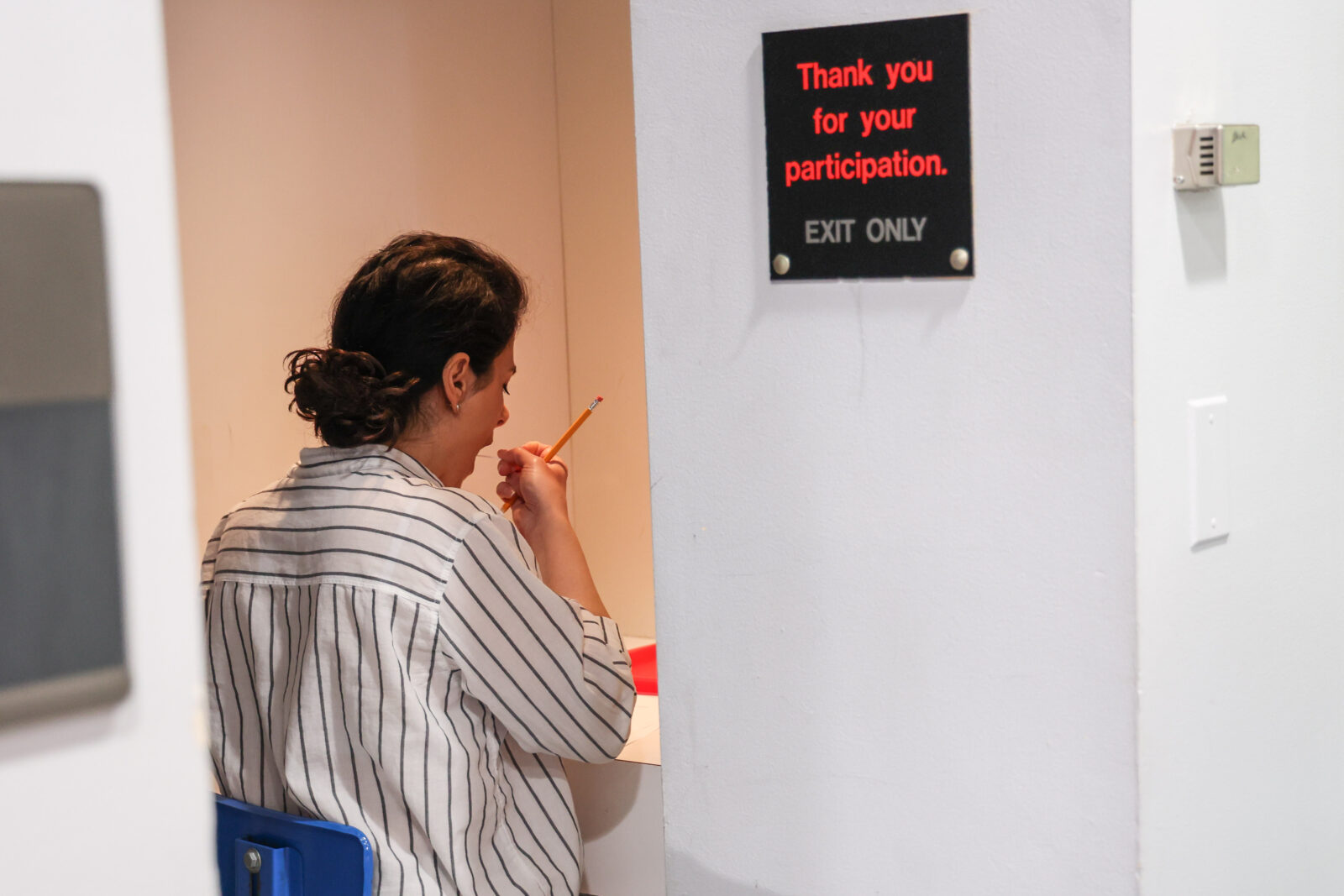
Initial taste tests were promising. In addition to technical testing, the students also invited participants to sample the lower-sugar, energy-efficient vanilla ice cream compared to Babcock Dairy’s current vanilla recipe. According to Camp and Smith, the participants experienced a slightly firmer scoop because of the higher freezing point; many seemed to enjoy the slightly less sweet flavor.
From the Babcock Dairy Plant to future grocery store shelves, the potential is clear. And the students aren’t done yet. Ongoing testing will evaluate long-term storage behavior, consumer acceptability, industrial scalability, and the greenhouse gas emissions of the process.
Faustina Sekyere, a PhD Student at the Nelson Institute for Environmental Studies and graduate assistant at the Office of Sustainability, is leading the latter. Sekyere conducted a Life Cycle Assessment (LCA) of the high-freezing-point ice cream to evaluate the environmental impact of the new recipe compared to traditional, “business as usual” ice cream and determine whether the new formulation saves energy and reduces emissions.
She not only evaluated the relative environmental impact of the production and storage stages but also the environmental impact of ingredient sourcing, including those arising from their production and transportation, to determine whether the new formulation offers measurable sustainability benefits. The study found that the new formulation has a lower overall environmental footprint, reducing greenhouse gas emissions by 14% while also lowering impacts related to eutrophication and fossil fuel use. The findings show that a simple change in recipe, replacing part of the sugar with soluble corn fiber, can improve the sustainability of ice cream by reducing the energy needed for refrigeration without compromising product quality.
The project team also published an article with co-authors from the four participating departments, reinforcing the interdisciplinary nature of the project. However, Sekyere hopes her LCA results aren’t just for research purposes.
“This is a new recipe we are trying to develop,” said Sekyere, whose favorite ice cream flavor is chocolate. “If it gains social appeal, then it becomes a new thing that other industries can buy into.”
Powered by the Green Fund
The project received $10,615 in seed funding from the Green Fund. While most Green Fund projects involve energy-efficient infrastructure like LED lighting or create habitats that support pollinators like bee hotels, this one stood out to Aley: “It’s dairy. It’s climate change. It’s interdisciplinary. And it’s deeply student-driven.”
What’s the next scoop?
Now that a robust LCA has been completed, Rankin hopes the new ice cream leaves the lab and enters the buckets of Babcock Dairy beyond vanilla. In addition to wanting to make more flavors of the energy-efficient ice cream, he also hopes it can help lower the energy consumption of freezers on the University of Wisconsin–Madison’s campus and beyond—maybe becoming the new industry standard and reducing enormous amounts of energy worldwide.
However, everyone involved agrees that whether or not this ice cream hits the market, the impact on student learning and interdisciplinary collaboration is undeniable. And if it does? It’ll be the smartest scoop in the freezer aisle.
By reimagining dessert, these UW–Madison students are also redefining what sustainable innovation looks like, one bite at a time.