The Risk We Don’t See: Climate Disasters and Housing Decisions
This article, by Yibing Wei, is part of a series highlighting members of the Office of Sustainability’s Experts Database. In a collaboration with instructor Hannah Monroe’s course, LSC 561: Writing Science for the Public, students interviewed campus sustainability experts and produced short feature stories.
When Hurricane Harvey flooded Houston in 2017, housing researcher Max Besbris had just moved to the city. Living through the disaster changed his career path forever, leading him to his current position at UW Madison where he studies how climate disasters affect people’s housing decisions and advocates for government policies that offer relocation options beyond simply rebuilding in vulnerable areas.
By tracking a middle-class Houston neighborhood for two years after the hurricane, Besbris witnessed firsthand how devastating and unpredictable climate disasters can be for housing stability. The storm’s aftermath revealed how poorly prepared both homeowners and government systems were for such events. Despite living in flood-prone areas, many residents had severely underestimated their risk, and recovery programs offered limited options—primarily focusing on rebuilding in the same vulnerable locations.
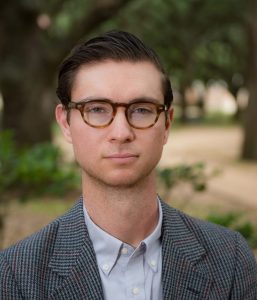 “What we found is that this storm had profound impacts that residents never anticipated,” Besbris says. “Some people faced financial ruin despite believing they were adequately prepared. Most concerning was how people kept rebuilding in the same high-risk locations because they lacked alternatives.”
This personal experience gives Besbris insight into a national problem. Last year alone, the U.S. experienced 28 weather disasters causing over $1 billion in damages each, with many families losing their homes permanently.
“I was in graduate school in New York when Hurricane Sandy happened,” Besbris explains. His advisors urged him to study climate impacts on housing, but he initially resisted. “At that time I said no. I was already focused on real estate agents.”
Then Harvey hit just weeks after his move to Houston. Experiencing two record-breaking storms convinced him to redirect his research.
In his current project, Besbris examines how people consider flood and fire risks when buying homes. His findings reveal a troubling pattern: most homeowners have no reliable way to assess their true risk level.
“People don’t really know what the likelihood of experiencing a climate hazard might be,” Besbris notes.
Homeowners don’t often know how susceptible they are to risk– believing they’re safe if they survived previous floods without damage or dismissing recent disasters as rare exceptions.
The current system focuses almost exclusively on rebuilding in the same vulnerable locations, which Besbris found is a key factor creating the inequality he observed. His research revealed that federal disaster aid and insurance programs help some residents but leave others behind, often based on pre-existing advantages like savings, insurance quality, or ability to navigate complex paperwork. Those without these advantages face prolonged recovery struggles when their only option is rebuilding.
“We give people money to rebuild where they are. We don’t spend money on helping them figure out if they want to leave, where they might go,” he explains.
This rebuilding-focused approach amplifies inequality, which is why Besbris advocates for creating “managed retreat” options – programs to help people relocate from repeatedly flooded or burned areas. Such relocation support could particularly benefit those without the resources to successfully navigate current recovery systems.
Looking ahead, Besbris plans to investigate how insurance companies influence housing markets through their risk assessment practices. As insurers withdraw from certain regions or charge prohibitively high premiums, they effectively reshape where people can afford to live.
As climate disasters become the new normal, Besbris’s findings suggest a troubling future: without better risk information and more diverse recovery options, millions of Americans will continue making housing decisions without understanding their true vulnerability. The pattern he observed in Houston after Harvey—where residents rebuilt in the same high-risk areas due to limited alternatives—could become increasingly common across the country unless policies evolve to address the changing climate reality.
For individuals making housing decisions today, Besbris recommends incorporating climate risk into the equation. While he doesn’t advocate for any single “climate-safe” location, he suggests examining local flood maps, fire histories, and insurance availability before purchasing. This thoughtful consideration of climate hazards, Besbris believes, is essential for creating more sustainable communities where residents can thrive despite the environmental challenges ahead.
“What we found is that this storm had profound impacts that residents never anticipated,” Besbris says. “Some people faced financial ruin despite believing they were adequately prepared. Most concerning was how people kept rebuilding in the same high-risk locations because they lacked alternatives.”
This personal experience gives Besbris insight into a national problem. Last year alone, the U.S. experienced 28 weather disasters causing over $1 billion in damages each, with many families losing their homes permanently.
“I was in graduate school in New York when Hurricane Sandy happened,” Besbris explains. His advisors urged him to study climate impacts on housing, but he initially resisted. “At that time I said no. I was already focused on real estate agents.”
Then Harvey hit just weeks after his move to Houston. Experiencing two record-breaking storms convinced him to redirect his research.
In his current project, Besbris examines how people consider flood and fire risks when buying homes. His findings reveal a troubling pattern: most homeowners have no reliable way to assess their true risk level.
“People don’t really know what the likelihood of experiencing a climate hazard might be,” Besbris notes.
Homeowners don’t often know how susceptible they are to risk– believing they’re safe if they survived previous floods without damage or dismissing recent disasters as rare exceptions.
The current system focuses almost exclusively on rebuilding in the same vulnerable locations, which Besbris found is a key factor creating the inequality he observed. His research revealed that federal disaster aid and insurance programs help some residents but leave others behind, often based on pre-existing advantages like savings, insurance quality, or ability to navigate complex paperwork. Those without these advantages face prolonged recovery struggles when their only option is rebuilding.
“We give people money to rebuild where they are. We don’t spend money on helping them figure out if they want to leave, where they might go,” he explains.
This rebuilding-focused approach amplifies inequality, which is why Besbris advocates for creating “managed retreat” options – programs to help people relocate from repeatedly flooded or burned areas. Such relocation support could particularly benefit those without the resources to successfully navigate current recovery systems.
Looking ahead, Besbris plans to investigate how insurance companies influence housing markets through their risk assessment practices. As insurers withdraw from certain regions or charge prohibitively high premiums, they effectively reshape where people can afford to live.
As climate disasters become the new normal, Besbris’s findings suggest a troubling future: without better risk information and more diverse recovery options, millions of Americans will continue making housing decisions without understanding their true vulnerability. The pattern he observed in Houston after Harvey—where residents rebuilt in the same high-risk areas due to limited alternatives—could become increasingly common across the country unless policies evolve to address the changing climate reality.
For individuals making housing decisions today, Besbris recommends incorporating climate risk into the equation. While he doesn’t advocate for any single “climate-safe” location, he suggests examining local flood maps, fire histories, and insurance availability before purchasing. This thoughtful consideration of climate hazards, Besbris believes, is essential for creating more sustainable communities where residents can thrive despite the environmental challenges ahead.
“What we found is that this storm had profound impacts that residents never anticipated,” Besbris says. “Some people faced financial ruin despite believing they were adequately prepared. Most concerning was how people kept rebuilding in the same high-risk locations because they lacked alternatives.”
This personal experience gives Besbris insight into a national problem. Last year alone, the U.S. experienced 28 weather disasters causing over $1 billion in damages each, with many families losing their homes permanently.
“I was in graduate school in New York when Hurricane Sandy happened,” Besbris explains. His advisors urged him to study climate impacts on housing, but he initially resisted. “At that time I said no. I was already focused on real estate agents.”
Then Harvey hit just weeks after his move to Houston. Experiencing two record-breaking storms convinced him to redirect his research.
In his current project, Besbris examines how people consider flood and fire risks when buying homes. His findings reveal a troubling pattern: most homeowners have no reliable way to assess their true risk level.
“People don’t really know what the likelihood of experiencing a climate hazard might be,” Besbris notes.
Homeowners don’t often know how susceptible they are to risk– believing they’re safe if they survived previous floods without damage or dismissing recent disasters as rare exceptions.
The current system focuses almost exclusively on rebuilding in the same vulnerable locations, which Besbris found is a key factor creating the inequality he observed. His research revealed that federal disaster aid and insurance programs help some residents but leave others behind, often based on pre-existing advantages like savings, insurance quality, or ability to navigate complex paperwork. Those without these advantages face prolonged recovery struggles when their only option is rebuilding.
“We give people money to rebuild where they are. We don’t spend money on helping them figure out if they want to leave, where they might go,” he explains.
This rebuilding-focused approach amplifies inequality, which is why Besbris advocates for creating “managed retreat” options – programs to help people relocate from repeatedly flooded or burned areas. Such relocation support could particularly benefit those without the resources to successfully navigate current recovery systems.
Looking ahead, Besbris plans to investigate how insurance companies influence housing markets through their risk assessment practices. As insurers withdraw from certain regions or charge prohibitively high premiums, they effectively reshape where people can afford to live.
As climate disasters become the new normal, Besbris’s findings suggest a troubling future: without better risk information and more diverse recovery options, millions of Americans will continue making housing decisions without understanding their true vulnerability. The pattern he observed in Houston after Harvey—where residents rebuilt in the same high-risk areas due to limited alternatives—could become increasingly common across the country unless policies evolve to address the changing climate reality.
For individuals making housing decisions today, Besbris recommends incorporating climate risk into the equation. While he doesn’t advocate for any single “climate-safe” location, he suggests examining local flood maps, fire histories, and insurance availability before purchasing. This thoughtful consideration of climate hazards, Besbris believes, is essential for creating more sustainable communities where residents can thrive despite the environmental challenges ahead.