Dairy Goldmine: Gulustan Ozturk finds the nutrition in waste
This article, by Shawn Portwood, is part of a series highlighting members of the Office of Sustainability’s Experts Database. In a collaboration with instructor Hannah Monroe’s course, LSC 561: Writing Science for the Public, students interviewed campus sustainability experts and produced short feature stories.
In the heart of Wisconsin, where dairy is king, Dr. Gulustan Ozturk, a pioneering food scientist originally from Turkey, is on a mission. She doesn’t just see milk and cheese, she sees possibility in every part of the dairy-making process. To her, the byproducts most industry folks toss aside aren’t waste, they are a goldmine of overlooked nutrition and a chance to make the dairy industry greener.
Growing up in Turkey in a family of educator parents and five siblings, Dr. Ozturk’s world was filled with questions and curiosity. Science wasn’t just a school subject; it was part of life. Weekends were often spent building science projects with her mother, a teacher who would even bring microscopes home from her school to spark learning. “Basically, we were doing the homework together and all of that,” Dr. Ozturk recalls. Those early experiences gave her a strong belief that women can and should pursue careers in science.
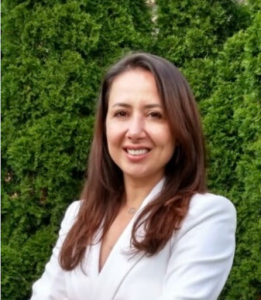 After earning multiple degrees in Turkey, her desire to broaden her impact brought her to the United States. Eventually, she landed at the University of Wisconsin–Madison, where dairy isn’t just an industry; it’s a deeply rooted part of the local culture.
While dairy feeds millions, it also creates enormous amounts of byproducts. One of the biggest is whey protein phospholipid concentrate (WPPC), a nutrient-rich stream recovered during whey processing. Rather than treating this as a burden, Dr. Ozturk sees it as a treasure trove of untapped potential.
“My idea goes, logically, how can I make this waste stream into a valuable food, a more nutritious food and the nutrition not just coming from the main food product. That’s how I see in my work at least from the sustainability aspect of it,” she explains.
That sustainability lens guides everything she does. Her past research revealed that WPPC has antimicrobial properties, evidence that these dairy leftovers may offer more than just protein. Now, she’s diving even deeper, exploring how bioactive compounds in dairy byproducts could improve human health, especially for populations like postmenopausal women. The driving force behind her research? A belief in the power of food as medicine.
“I really think food can help people stay healthy, especially if we can unlock more of its potential,” she says.
Her work aims to bridge the gap between sustainability and wellness, proving that food waste can be part of the solution rather than the problem.
She’s not alone in that vision. Across the dairy industry, there’s growing awareness of the environmental and economic benefits of repurposing waste. Once discarded as useless, whey is now commonly turned into the protein powders used in shakes and supplements. According to Dr. Ozturk, we’ve only scratched the surface.
“There’s so much value in these dairy byproducts that we haven’t even tapped into yet, so, yeah,” she says enthusiastically.
Concrete numbers back her up. According to the USDA, the U.S. dairy industry produces billions of pounds of whey annually, much of which goes unused. Redirecting even a fraction of that into functional food products could reduce waste and improve nutrition on a massive scale.
Looking ahead, Dr. Ozturk envisions a more circular food system, where byproducts are fully reintegrated as functional ingredients in new foods. Her research doesn’t stop at identifying nutritional compounds; it seeks to understand the mechanisms behind them, offering a roadmap for how to use them effectively.
Ultimately, her commitment stems from a responsibility to the planet and future generations. “Sustainability” for Dr. Gulustan Ozturk, isn’t a buzzword; it’s a mission statement.
From a curious child peering through a microscope in Turkey to a scientist transforming dairy waste into something valuable in Wisconsin, Dr. Ozturk’s story reminds us that sometimes the biggest breakthroughs come from what we’re willing to see in the smallest, most overlooked things.
After earning multiple degrees in Turkey, her desire to broaden her impact brought her to the United States. Eventually, she landed at the University of Wisconsin–Madison, where dairy isn’t just an industry; it’s a deeply rooted part of the local culture.
While dairy feeds millions, it also creates enormous amounts of byproducts. One of the biggest is whey protein phospholipid concentrate (WPPC), a nutrient-rich stream recovered during whey processing. Rather than treating this as a burden, Dr. Ozturk sees it as a treasure trove of untapped potential.
“My idea goes, logically, how can I make this waste stream into a valuable food, a more nutritious food and the nutrition not just coming from the main food product. That’s how I see in my work at least from the sustainability aspect of it,” she explains.
That sustainability lens guides everything she does. Her past research revealed that WPPC has antimicrobial properties, evidence that these dairy leftovers may offer more than just protein. Now, she’s diving even deeper, exploring how bioactive compounds in dairy byproducts could improve human health, especially for populations like postmenopausal women. The driving force behind her research? A belief in the power of food as medicine.
“I really think food can help people stay healthy, especially if we can unlock more of its potential,” she says.
Her work aims to bridge the gap between sustainability and wellness, proving that food waste can be part of the solution rather than the problem.
She’s not alone in that vision. Across the dairy industry, there’s growing awareness of the environmental and economic benefits of repurposing waste. Once discarded as useless, whey is now commonly turned into the protein powders used in shakes and supplements. According to Dr. Ozturk, we’ve only scratched the surface.
“There’s so much value in these dairy byproducts that we haven’t even tapped into yet, so, yeah,” she says enthusiastically.
Concrete numbers back her up. According to the USDA, the U.S. dairy industry produces billions of pounds of whey annually, much of which goes unused. Redirecting even a fraction of that into functional food products could reduce waste and improve nutrition on a massive scale.
Looking ahead, Dr. Ozturk envisions a more circular food system, where byproducts are fully reintegrated as functional ingredients in new foods. Her research doesn’t stop at identifying nutritional compounds; it seeks to understand the mechanisms behind them, offering a roadmap for how to use them effectively.
Ultimately, her commitment stems from a responsibility to the planet and future generations. “Sustainability” for Dr. Gulustan Ozturk, isn’t a buzzword; it’s a mission statement.
From a curious child peering through a microscope in Turkey to a scientist transforming dairy waste into something valuable in Wisconsin, Dr. Ozturk’s story reminds us that sometimes the biggest breakthroughs come from what we’re willing to see in the smallest, most overlooked things.
After earning multiple degrees in Turkey, her desire to broaden her impact brought her to the United States. Eventually, she landed at the University of Wisconsin–Madison, where dairy isn’t just an industry; it’s a deeply rooted part of the local culture.
While dairy feeds millions, it also creates enormous amounts of byproducts. One of the biggest is whey protein phospholipid concentrate (WPPC), a nutrient-rich stream recovered during whey processing. Rather than treating this as a burden, Dr. Ozturk sees it as a treasure trove of untapped potential.
“My idea goes, logically, how can I make this waste stream into a valuable food, a more nutritious food and the nutrition not just coming from the main food product. That’s how I see in my work at least from the sustainability aspect of it,” she explains.
That sustainability lens guides everything she does. Her past research revealed that WPPC has antimicrobial properties, evidence that these dairy leftovers may offer more than just protein. Now, she’s diving even deeper, exploring how bioactive compounds in dairy byproducts could improve human health, especially for populations like postmenopausal women. The driving force behind her research? A belief in the power of food as medicine.
“I really think food can help people stay healthy, especially if we can unlock more of its potential,” she says.
Her work aims to bridge the gap between sustainability and wellness, proving that food waste can be part of the solution rather than the problem.
She’s not alone in that vision. Across the dairy industry, there’s growing awareness of the environmental and economic benefits of repurposing waste. Once discarded as useless, whey is now commonly turned into the protein powders used in shakes and supplements. According to Dr. Ozturk, we’ve only scratched the surface.
“There’s so much value in these dairy byproducts that we haven’t even tapped into yet, so, yeah,” she says enthusiastically.
Concrete numbers back her up. According to the USDA, the U.S. dairy industry produces billions of pounds of whey annually, much of which goes unused. Redirecting even a fraction of that into functional food products could reduce waste and improve nutrition on a massive scale.
Looking ahead, Dr. Ozturk envisions a more circular food system, where byproducts are fully reintegrated as functional ingredients in new foods. Her research doesn’t stop at identifying nutritional compounds; it seeks to understand the mechanisms behind them, offering a roadmap for how to use them effectively.
Ultimately, her commitment stems from a responsibility to the planet and future generations. “Sustainability” for Dr. Gulustan Ozturk, isn’t a buzzword; it’s a mission statement.
From a curious child peering through a microscope in Turkey to a scientist transforming dairy waste into something valuable in Wisconsin, Dr. Ozturk’s story reminds us that sometimes the biggest breakthroughs come from what we’re willing to see in the smallest, most overlooked things.