Sustainability at UW–Madison: 2025–2026 Annual highlights
Students Loren Smith and Sydney Camp work on a Green Fund project at Babcock Dairy.
In 2024, the University of Wisconsin–Madison committed to an ambitious environmental sustainability initiative. The initiative established five institutional goals designed to set UW–Madison on a path toward a more sustainable future. Progress toward these goals is reflected below.
Catalyze Innovative Research
Launched in January 2024, the Sustainability Research Hub continues to grow its support for research development and interdisciplinary collaboration across UW–Madison.
- In FY26, the Sustainability Research Hub supported $170.2 million in research proposals.
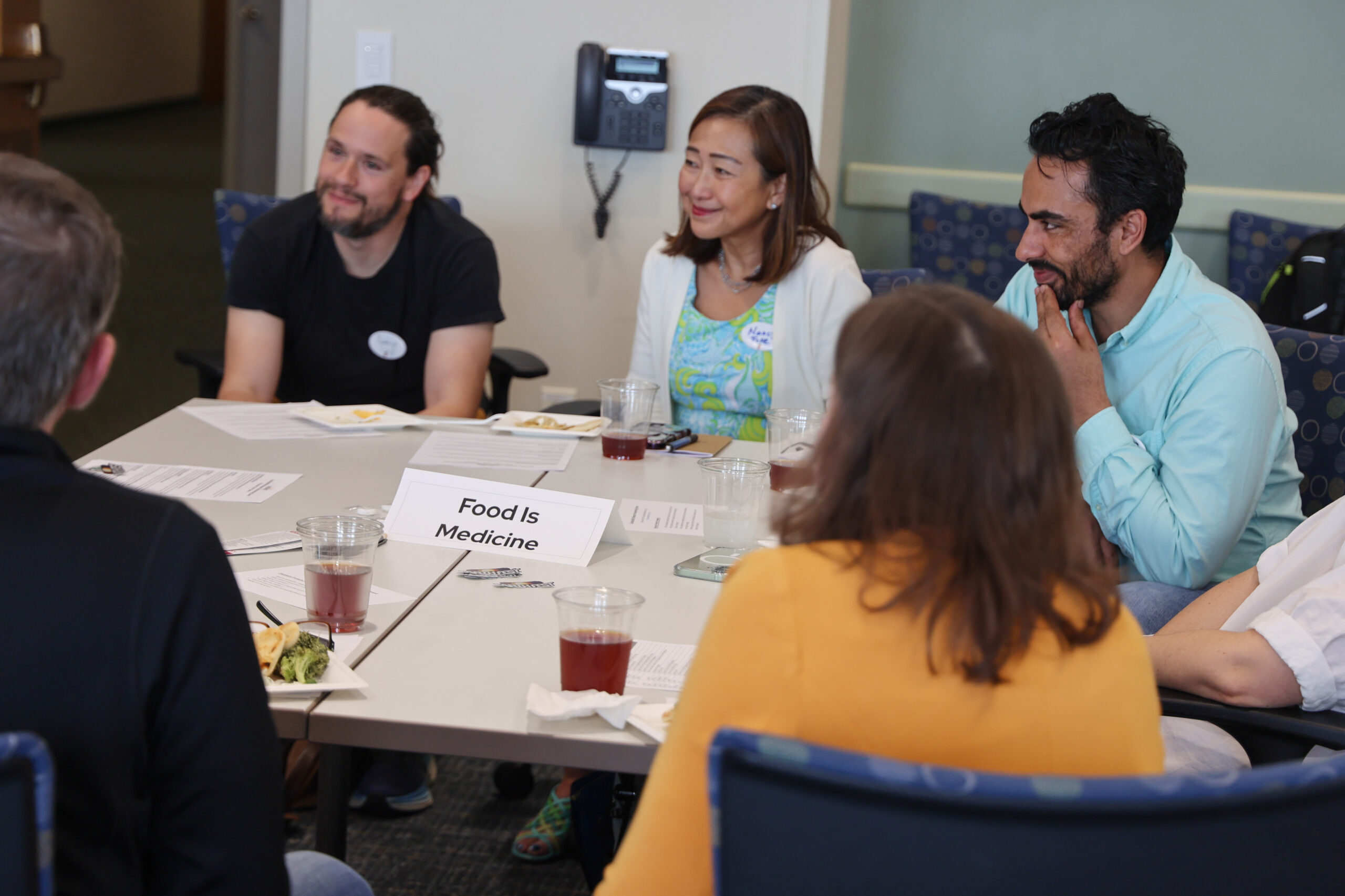
- Initiated four working groups with collaborators across campus in the areas of Critical Minerals and Materials, Data Centers, PFAS, and Food is Medicine.
- The Hub transitioned to the Office of the Vice Chancellor for Research (OVCR) to strengthen and expand campus-wide research development, interdisciplinary collaboration, and strategic partnership efforts that support high-impact research initiatives across UW–Madison.
Achieve Net-Zero Emissions
- Morgridge Hall received LEED Platinum certification.
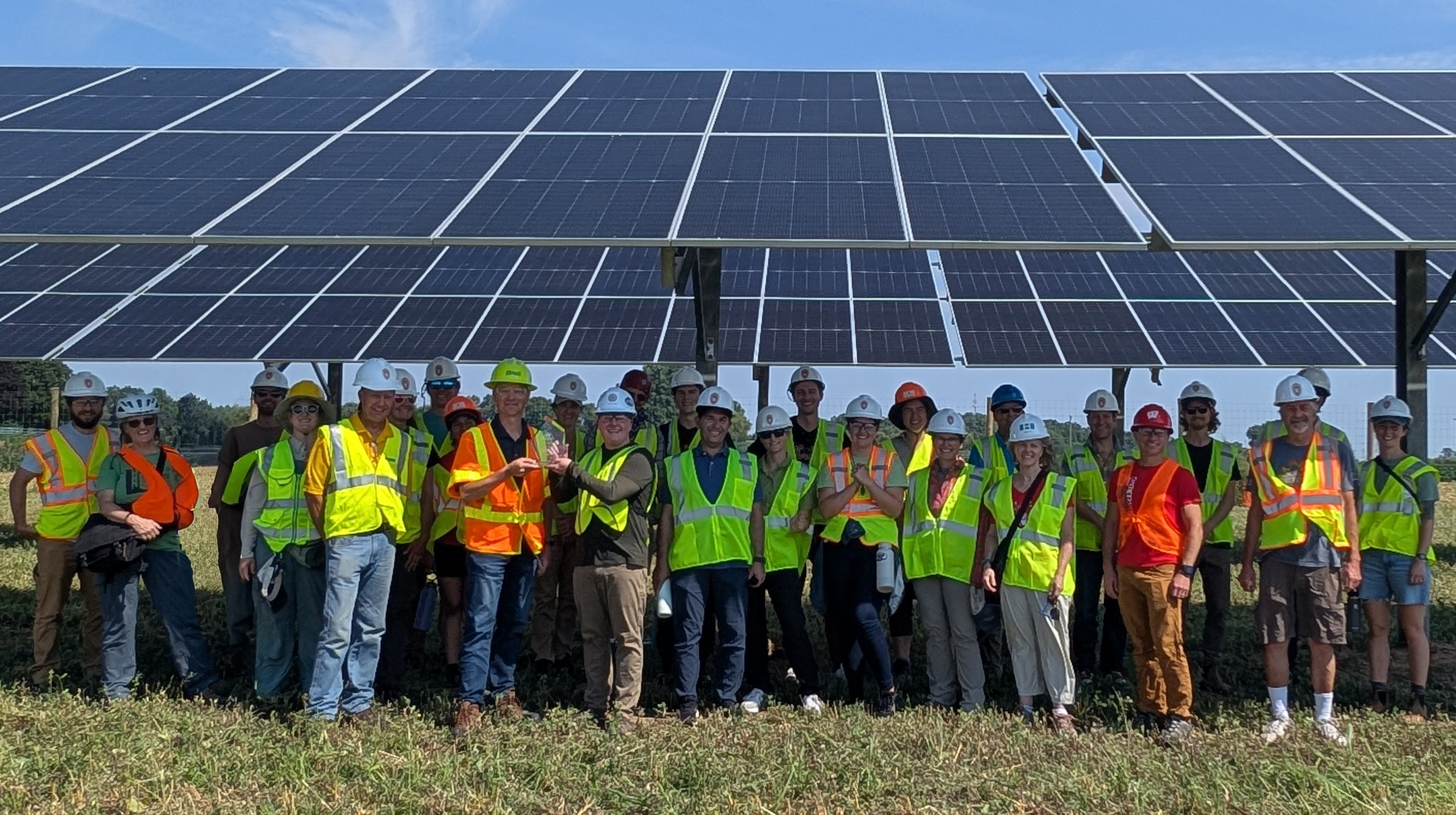
- The Kegonsa Research Campus was named Dual-Use Plan of the Year by the North American Agrivoltaics Awards, hosts nine active research projects, welcomed more than 150 visitors for tours, and produced 3.2 million kWh of renewable electricity.
- A dumpster and roll-off container monitoring pilot showed a preliminary 62% reduction in miles traveled and associated emissions per vehicle.
- The Trane Heat Pump Pilot is moving forward to demonstrate the potential of a cold-climate cascade heat pump.
- Campus implemented more than 80 energy efficiency projects with Focus on Energy, reducing energy waste and achieving utility cost savings while improving the user experience on campus.
Foster Educational Experiences
- Received a $660,000 donation to expand the Green Fund, focusing on applied student learning through on-campus pilot projects that support the university’s net-zero emissions and zero waste goals.
- 38% of departments offered at least one course with the sustainability attribute, and there were 8,172 enrollments in courses with the attribute in spring 2026.
- A National Science Foundation grant was awarded to integrate sustainability into undergraduate engineering education.
Create a Zero-Waste Campus
- Focused on reducing food waste and addressing food insecurity with programs including Free Food Alert and Goodie Bag. Free Food Alert now has more than 1,600 users campus-wide.
- Initiated efforts to incorporate sustainability components into the laboratory equipment and supplies procurement process, addressing the largest source of greenhouse gas emissions from purchased goods and services.
Support Cross-Campus Involvement
- Received pro bono support from Second Nature and Brailsford and Dunleavy for Scope 3 emissions measurement and reduction planning.
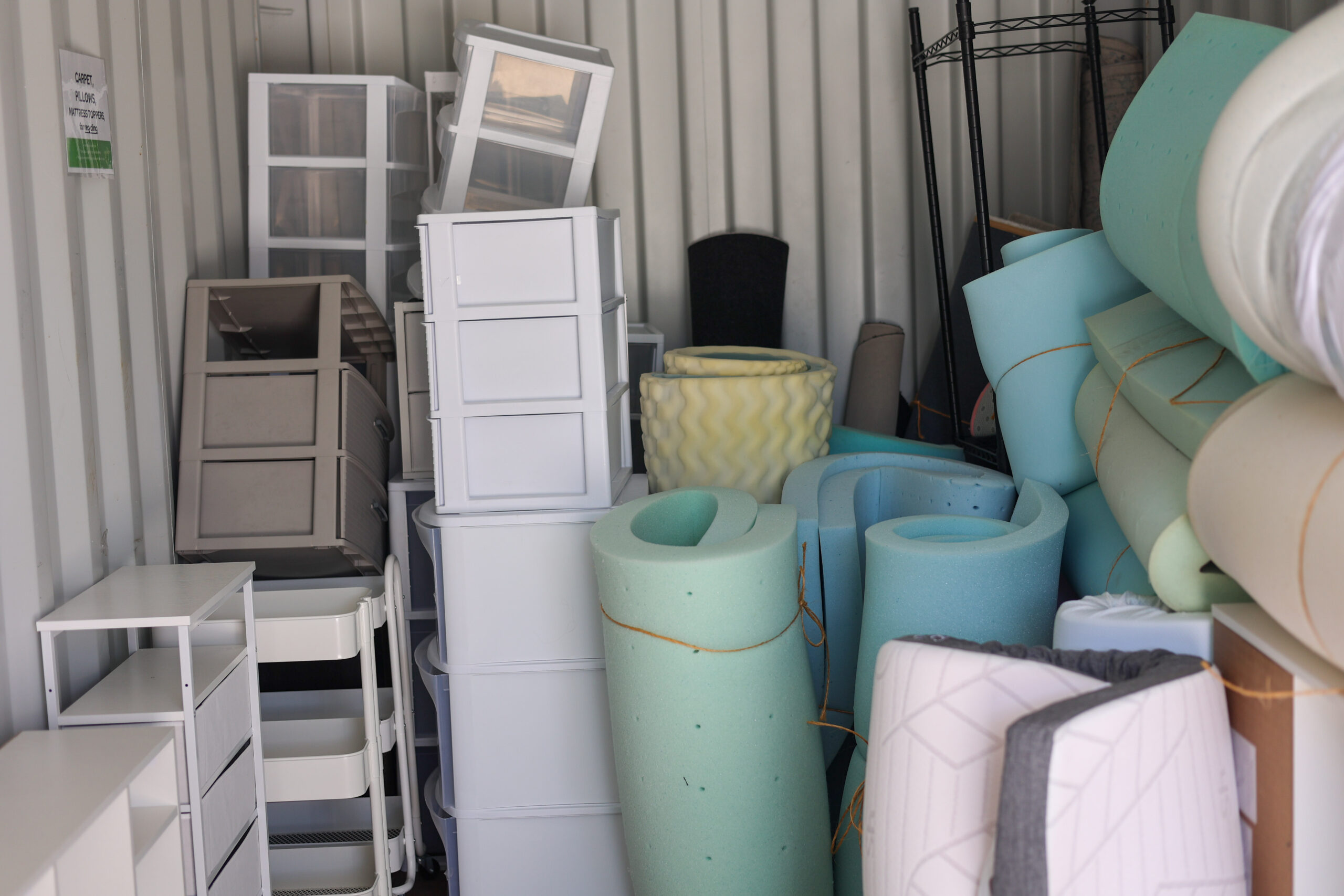
- Sustainable Move-Out diverted more than 98 tons of material from the landfill, with Badger Reclaim redistributing collected items to incoming students at no cost.
- The Chancellor’s Ad Hoc Environmental Sustainability Council was created to champion the goals, discuss identified barriers, and review progress.
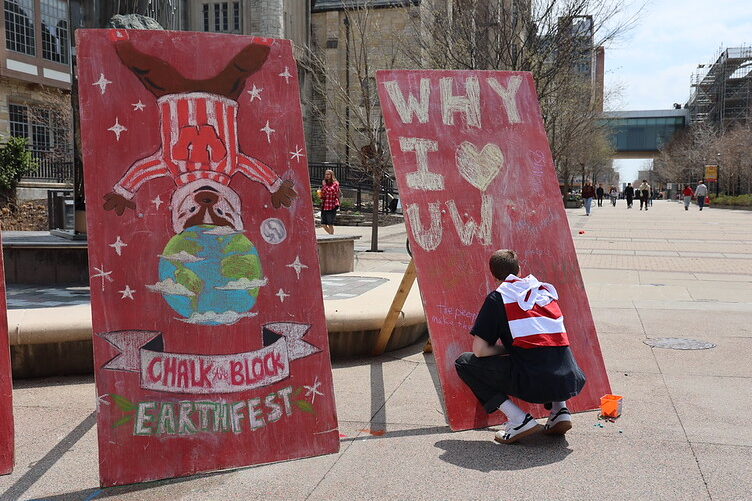
- Earth Fest brought together 63 campus and community partners to host 56 events, engaging more than 7,700 participants. The celebration earned two awards from the Council for Advancement and Support of Education (CASE) for excellence in higher education engagement.