8 Ways to Get Involved With Sustainability This Semester
For students looking to get involved with sustainability efforts on campus, it may be difficult to figure out where to start. Internships or a certificate may seem like a big step, but finding sustainability clubs can be a great way to involve yourself in a small community and explore a personal passion!
Here, we list 8 organizations that incorporate sustainability in their work. There are opportunities for people interested in student government, volunteering with nonprofits, or even hobby-based clubs that go on bird walks or use locally sourced produce in seasonal dishes.
If any of these groups sparked your interest, you can dig deeper into the organizations featured here—and discover many more—through our list of environment- and sustainability-related student organizations.
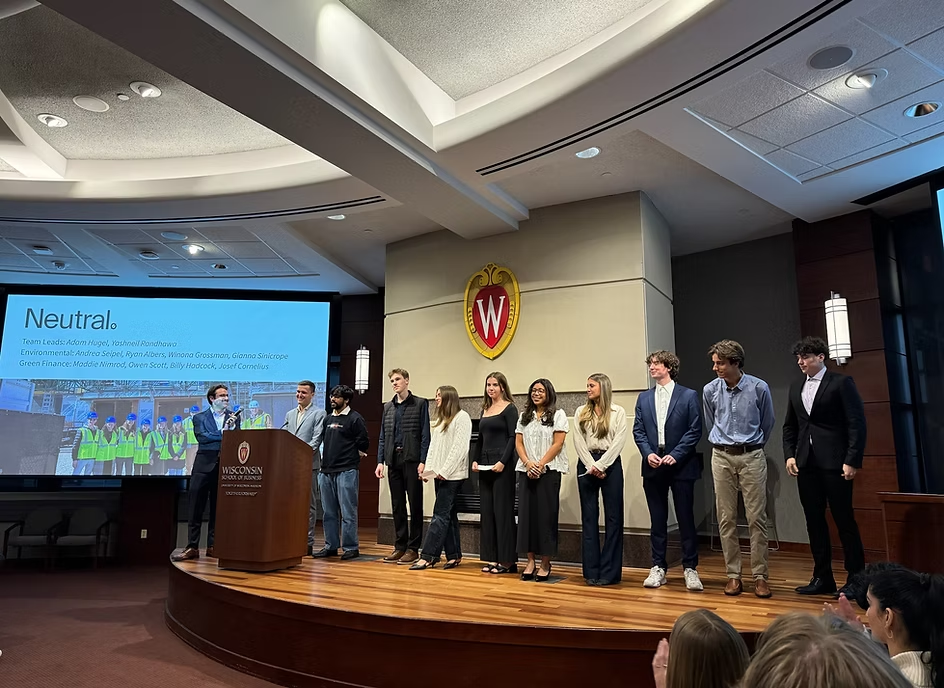
An EBRN consulting group shares about their project in an end-of-semester presentation. Courtesy of Madeline Cooper.
Ethical and Responsible Business Network (ERBN)
Interested in business and sustainability? Look no further than ERBN, a club dedicated to educating students and businesses on how profit and sustainable development are intrinsically connected, and even offering consulting services to local businesses. As Madeline Cooper, ERBN’s Co-President, explains: “ERBN exists to educate students and businesses about ways sustainability and profitability go hand-in-hand, to provide hands-on experiences in real-life business planning, and to instill the knowledge, skills, and commitment to be an ethical and responsible business leader.” Listen to guest speakers, participate in service events, or join a group of students working with a Madison-area company to examine and promote their sustainable triple bottom line.Allen Centennial Garden
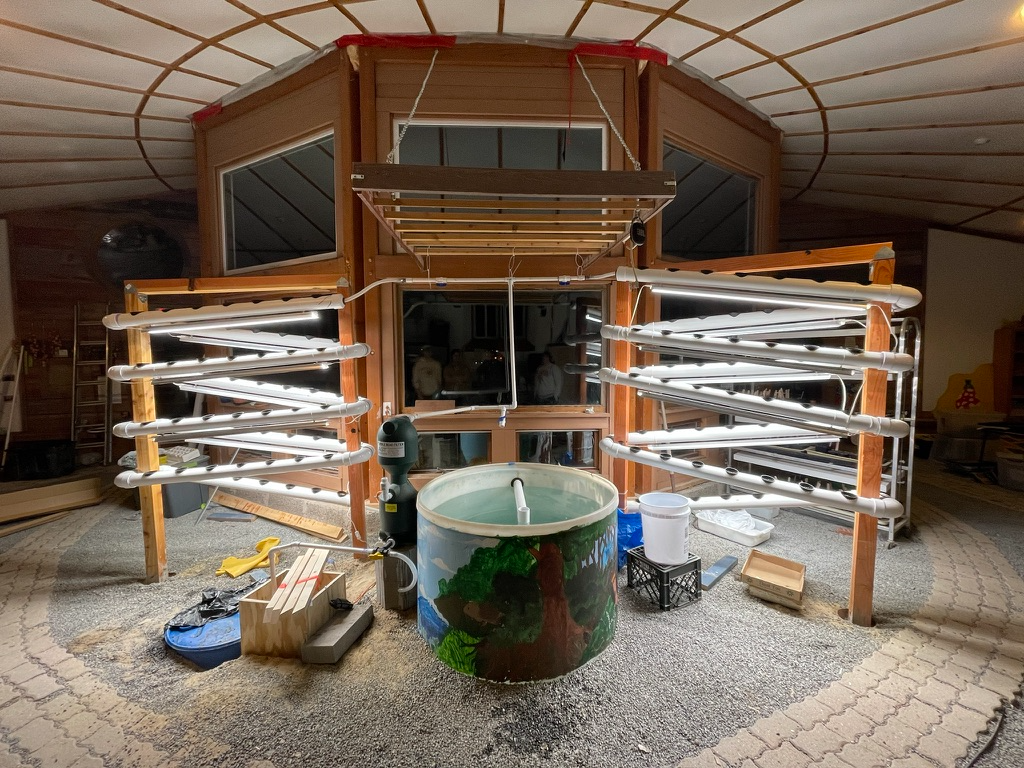
Located near the Lakeshore dorms, Allen Centennial Garden is more than just a beautiful place for students to walk through and admire. Students can volunteer or intern to keep the garden in bloom, or participate in a variety of workshops hosted throughout the semester. Students looking to get further involved can even complete courses or a capstone at the garden!An ESW Sustain-A-Ponics project.
Engineers for a Sustainable World, UW–Madison Chapter
Since 2015, the ESW chapter at UW–Madison has worked to harness the capabilities of student engineering projects to build a more sustainable future on campus. If you’re interested in incorporating sustainability into your engineering experience, consider joining to work on projects such as aquaponics, solar-powered little free libraries, rain catchment systems, and much more! “We empower students to engineer solutions that create a more sustainable world. Our students design and implement hands-on sustainability projects on campus and within our community, allowing for a brighter and greener future,” said a member.Badger Volunteers
Badgers Volunteers offers students a month-long volunteering experience, partnering with a local organization to get hands-on experience and assist with ongoing projects. Interested students can check off “sustainability” under volunteer opportunities to find a variety of experiences that also can contribute to a Sustainability certificate! Opportunities range from farming at Troy Farm and seed planting at Allen Centennial Garden, to land restoration at the Holy Wisdom Monastery. These opportunities are a great way to learn more about the local Madison area and contribute to sustainability projects!Bernat and other club members visiting their solar installation exhibit at the UW Arboretum visitor center. Courtesy of Eliana Bernat.
Helios
Want to be part of the effort pushing our campus and city towards renewable energy? Helios is a registered student organization on campus that allows students to plan and implement renewable energy projects across Madison, with the goal of building UW–Madison as a leading institution in clean energy. “Students in Helios gain hands-on experience with technical projects like building models, designing our solar microgrid, and engaging in outreach activities through the engineering team. The energy team allows students to get involved in local projects that gain a behind-the-scenes look at energy on campus and impact the sustainability of UW–Madison through projects like lighting retrofits, solar analysis, and efficient infrastructure,” said Eliana Bernat, President of Helios. Past projects include lighting retrofits in campus residence halls and adding solar panels to campus buildings and bus stops!Slow Food UW
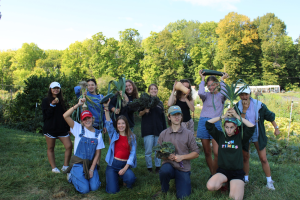
Slow Food UW is a nonprofit organization based on campus that supports local food production and consumption and offers a weekly Family Dinner Night for students and community members. Slow Food UW has been serving dinner weekly since 2009. Visit their website to find a way to participate or volunteer at one of their events! They also offer formal internship opportunities for students looking to get further involved in their operations. If you’re interested in sustainable food systems and giving back to the community, this could be the perfect club for you!Club members pose with fresh produce grown in Eagle Heights. Courtesy of Julia Fechner.
The People’s Farm: Students for Sustainable Agriculture
The People’s Farm, located right off the Lakeshore Path at Eagle Heights Community Gardens, offers students a chance to practice urban agriculture while giving back to the community. 100% of the food they grow is given back to the community, all a part of their mission to grow local, sustainable agriculture. “Our mission at The People’s Farm: Students for Sustainable Agriculture, is to establish the relationship between land, food, and community on the UW–Madison campus,” said outreach director Julia Fechner. “Through our Student Farm located in the Eagle Heights Community Garden, students will gain hands-on growing experience, participate in sustainable lifestyle workshops, and have access to free, local produce!”UW Audubon Society
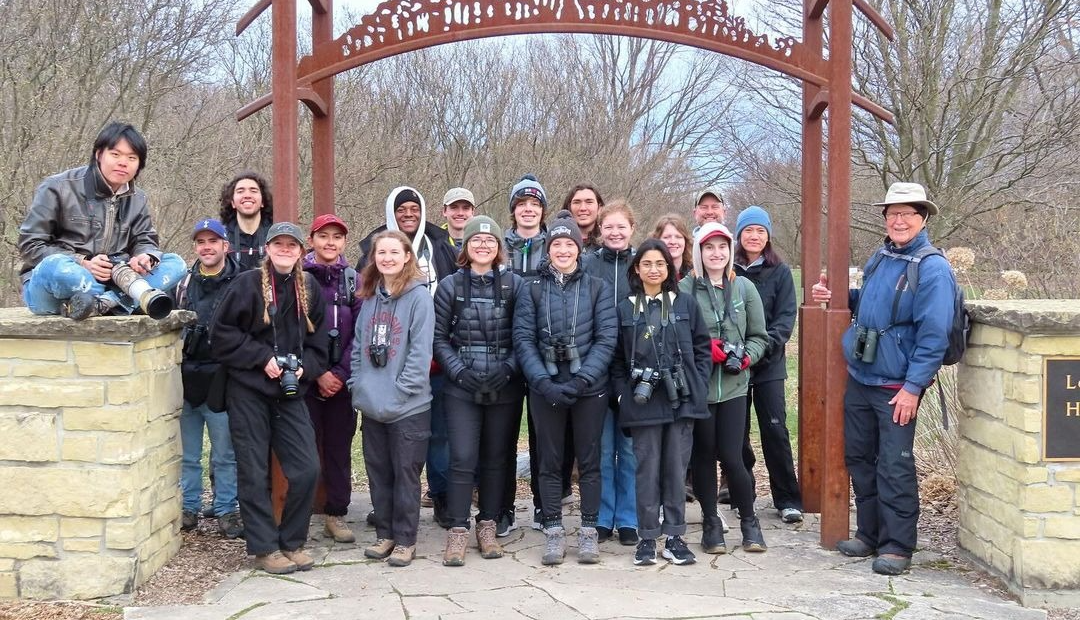
If you find yourself checking Merlin to identify bird calls, walking through the woods to take pictures of birds, or wanting to expand your avian knowledge, check out the UW–Madison chapter of the Audubon Society. “We are a community that provides students opportunities and spaces to engage in observation, study, and conversations relating to birds and the greater ecosystem that they inhabit,” said President Adrian Asani. The club studies birds and bird conservation, hosting frequent bird hikes for students and community members through the nearby Lakeshore Nature Preserve. “Outside of our regular meetings and weekend bird hikes, we focus on developing projects that directly impact sustainability and preservation of the bird population within the Madison area, such as the construction of bird nest boxes, monitoring bird populations, and installation of bird collision mitigation systems like vinyl window dots,” Asani added. By: John ErnstIf any of these groups sparked your interest, you can dig deeper into the organizations featured here—and discover many more—through our list of environment- and sustainability-related student organizations.